How to Choose the Right Paper for Your Printing: A Practical Guide
Choosing the right paper for your print job is not a simple decision; it is a crucial factor that influences the final result, the product’s feel, and the recipient’s perception. The right paper can enhance your design, while the wrong one can degrade the quality, even if the design itself is flawless. Here are the key steps and factors you should consider.
1. Determine the Purpose and Use of the Printed Material
This is the first and most important question. What is the printed material and how will it be used?
Business Cards/Invitations: These require paper with sturdiness and a luxurious feel, often with special finishes.
Brochures/Catalogs: Depending on their lifespan and the quality you wish to convey, these can range from thin to thicker, matte or glossy.
Posters/Flyers: These often require paper that enhances colors and images, and is durable for outdoor use if necessary.
Books/Notebooks: The interior pages must be legible and suitable for writing, while the cover should be more durable and impressive.
Letterheads/Envelopes: These typically require uncoated paper to be easily written on and to convey a classic, professional feel.
Packaging: This requires durability, the ability for special die-cuts, and often waterproofing or other protective coatings.
2. Consider Aesthetics and the Tactile Experience (Touch & Feel)
What is the desired “feel” you want the printed material to convey?
Elegance & Seriousness: Matte (velvet) or uncoated paper in heavier weights is usually chosen, possibly with texture.
Vibrancy & Dynamism: Glossy paper enhances colors and photographs vividly.
Naturalness & Ecological Awareness: Recycled or uncoated paper provides a more organic and “green” feel.
Luxury & Uniqueness: Consider specialty papers with texture, heavy weights, or papers that allow for special applications (e.g., hot foil stamping, embossing).
3. Take into Account the Graphic Design
Photographs & Vibrant Colors: Glossy paper will enhance them best, making colors more vivid and images clearer.
Text & Simple Graphics: Matte (velvet) or uncoated paper is more reader-friendly and provides a more subtle result.
Logos & Minimalism: A thick, high-quality paper, possibly with embossing or spot UV on the logo, can make a huge difference.
4. Determine the Weight (GSM)
Lightweight (60-120 gsm): Ideal for interior book pages, letterheads, and large runs of brochures.
Medium (130-170 gsm): Suitable for posters, flyers, brochure covers, where some sturdiness is required.
Heavyweight (200-350+ gsm): Essential for business cards, invitations, book covers, and any printed material that needs to be particularly durable and convey a sense of luxury.
5. Your Budget
Naturally, cost plays a role. Specialty papers and heavier weights are more expensive. It is important to find the right balance between quality and cost, so you do not exceed your budget without compromising quality.
6. Consult the Experts!
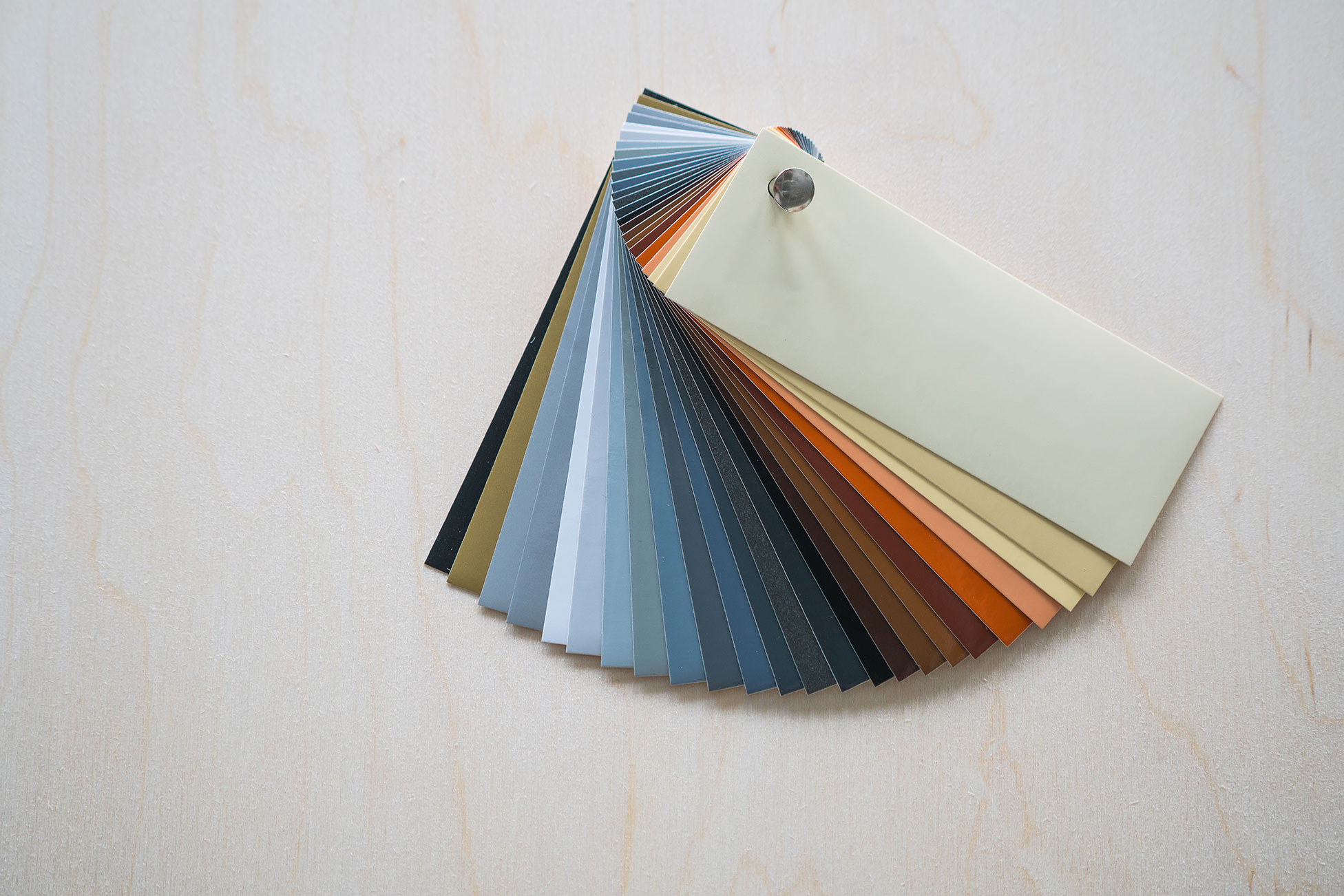
At IONAS PRINT, we possess extensive experience and knowledge of materials. Do not hesitate to contact us. We would be pleased to show you paper samples, discuss your needs, and recommend the ideal solution that will enhance your print job and fully meet your expectations. Choosing the right paper is the first step towards an impressive result!
σχετικά με εμάς
Η Ionas Print είναι περισσότερο από ένα τυπογραφείο. Είναι ένα εργαστήριο δημιουργίας, όπου οι ιδέες μεταμορφώνονται σε υψηλής αισθητικής έντυπα και ψηφιακά προϊόντα.
Με 20 χρόνια εμπειρίας και συνεχή επένδυση στην τεχνολογία, προσφέρουμε ένα ευρύ φάσμα υπηρεσιών, από την εκτύπωση επαγγελματικών καρτών μέχρι την παραγωγή μοναδικών συσκευασιών.