The History of Screen Printing
Screen printing, a printing technique with deep roots, evolved from simple stencil methods used across various cultures. From the Japanese Katazome technique for fabric decoration to the banana leaf stencils of indigenous Indonesians and similar techniques used by ancient Greeks and Egyptians, the basic idea of transferring ink through a “stencil” has existed for centuries.
Modern screen printing, as we know it today, began in the early 20th century, building upon the techniques of the Englishman Samuel Simon. In 1914, in San Francisco, John Pilsworth took a significant step by using these techniques to print multi-colored images.
The technique also found application in industrial production during World War I, primarily for printing flags. The use of a mesh with a photosensitive coating made screen printing more practical and expanded its applications.
During World War II, the scarcity of silk, due to its use in parachute manufacturing, led artisans to seek alternative materials. Initially, nylon meshes were used, but later, polyester fiber meshes became the preferred solution, a practice that continues to this day.
Initially, screen printing was used in industrial applications, but in the early 20th century, American artists began to adopt it. The technique became more widely known in the 1960s through the Pop Art movement, and particularly through the works of Andy Warhol, who used screen printing in many of his most famous creations.
Today, screen printing is popular in both the art world and industry. It is widely used for printing designs on various types of apparel, such as T-shirts and hats, as well as on ceramics, glass, polyurethane, polypropylene, paper, metal, and wood.
The Screen Printing Technique
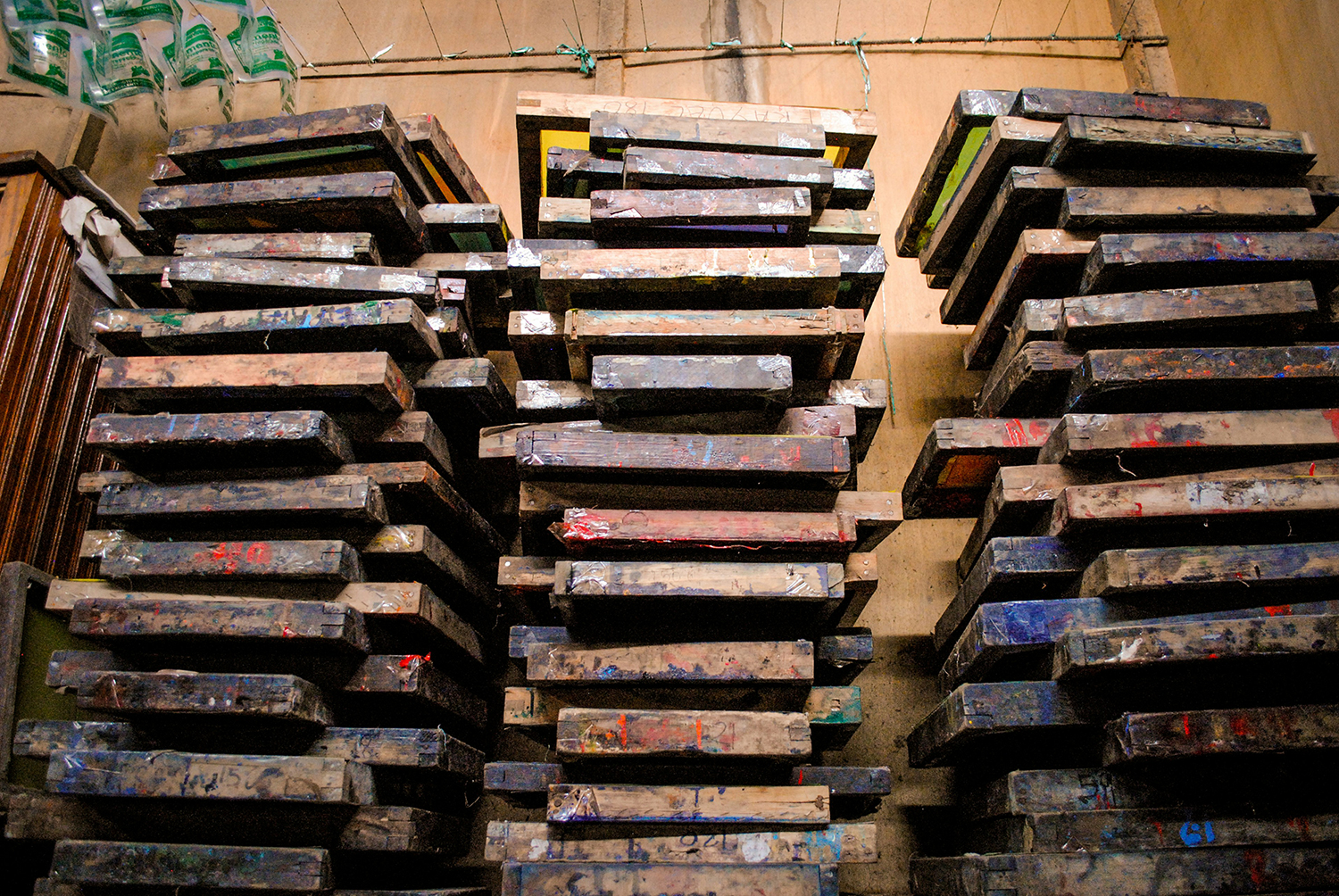
In screen printing, we use a special frame with a stretched mesh, similar to a fine fabric. Onto this mesh, we apply a light-sensitive substance. We design the image we want to print on a transparent sheet and place it onto the frame. When exposed to strong light, the substance not covered by the design hardens, while the rest remains soft.
We wash the frame, and the soft substance is removed, leaving our design on the mesh. Next, we place the frame onto the material we wish to print on, apply ink, and press it through the mesh, printing the design. For multi-colored designs, we use a different frame for each color, while for photographs, we employ a special technique using four basic colors.
Applications of Screen Printing
Screen printing, a versatile printing technique, has established itself in both the artistic and commercial worlds. From reproducing artworks and posters to printing on apparel, promotional items, and industrial products, screen printing finds application on a multitude of objects.
Its strength lies in its ability to print on a variety of materials and surfaces, without requiring pressure. This makes it ideal for printing on paper, plastic, metal, wood, fabric, and more, regardless of their texture.
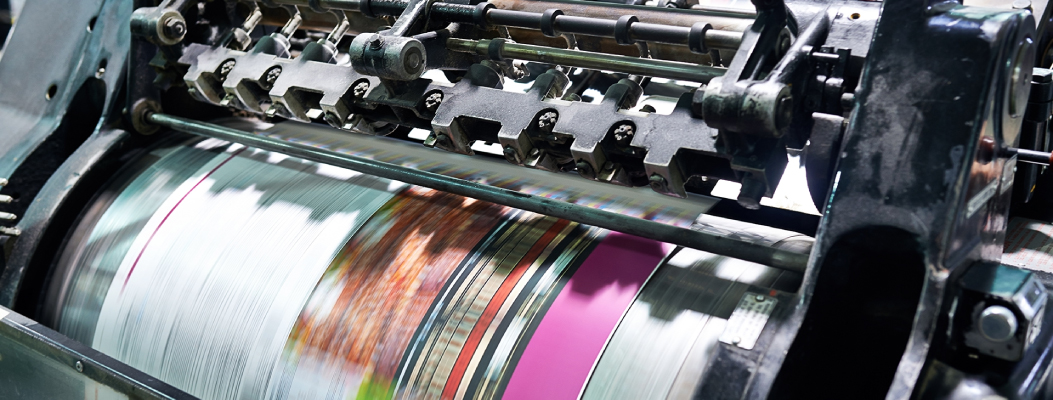
In the modern era, screen printing combines tradition with technology. Automatic and manual machines allow for the economical and rapid production of large quantities. However, in artistic screen printing, the emphasis remains on handmade creation, where technology supports but does not replace artistic expression.
σχετικά με εμάς
Η Ionas Print είναι περισσότερο από ένα τυπογραφείο. Είναι ένα εργαστήριο δημιουργίας, όπου οι ιδέες μεταμορφώνονται σε υψηλής αισθητικής έντυπα και ψηφιακά προϊόντα.
Με 20 χρόνια εμπειρίας και συνεχή επένδυση στην τεχνολογία, προσφέρουμε ένα ευρύ φάσμα υπηρεσιών, από την εκτύπωση επαγγελματικών καρτών μέχρι την παραγωγή μοναδικών συσκευασιών.